
Sensory Rooms & Inclusive Spaces

What is a Sensory Room?
A sensory room is a purposefully designed space that helps children regulate their nervous systems, reset after overwhelm, and access the tools they need to learn and participate. These spaces support wellbeing, reduce stress, and create calmer, more inclusive classrooms for all students.
Schools and families are often stretched for time and resources, and knowing where to begin can feel overwhelming. That’s why this page brings everything together in one place. Whether you’re a principal planning a larger support space or a teacher wanting a small calm corner for your classroom, you’ll find practical support and clear next steps.
Two simple ways to get started:
Custom support
Get personalised support tailored to your students, goals, and space.
DIY planning
Your easy starting point for planning a calm, effective sensory space.
Expert Guidance for Building Calm, Inclusive Spaces

I work with schools, educators, therapists, and families to create sensory spaces that genuinely support regulation, focus, & inclusion. With a background in social work, I understand child development, behaviour, and the practical supports that help students thrive.
I offer flexible, personalised support to help you:
- Select the right sensory tools
- Build customised sensory room packages
- Map out room layouts and setup
- Plan whole-school sensory supports
- Prepare quotes
- Coordinate bulk orders
My role is to make the process simple and manageable, so your team can focus on helping students feel safe, calm, and ready to learn.
Ready-to-go sensory kits for different age groups
Our kits take the guesswork out of sensory support. Each one includes trusted tools that help students feel settled, focused, and ready to learn.

Early Learning Sensory Kit
Play-based sensory tools to support regulation, confidence and developmental skills.

Middle Primary Sensory Kit
Engaging, classroom-friendly supports for focus, movement and emotional regulation.

Older Primary Sensory Kit
Subtle sensory supports designed to build independence, focus and self-regulation skills.

Teen & Adult Sensory Kit
Discreet sensory tools for grounding, focus, stress support and everyday regulation.
Who Benefits from a Sensory Room?

Autistic & ADHD students
Benefit from sensory tools that support focus, regulation, and emotional balance.

Students with sensory processing differences
Sensory spaces provide safe opportunities for exploration and comfort.

Children experiencing anxiety or trauma
A quiet, predictable space to self-regulate and feel grounded.

Anyone who benefits from a calm, predictable environment
Sensory rooms support inclusion and emotional wellbeing for all learners.
Sensory Room Essentials
Shop now




How to Set Up a Sensory Room
Start With the Purpose of the Room
What is the main goal of this space?
Some common purposes include:
- A calming and regulation space
- A quiet retreat for emotional recovery
- A movement or sensory-motor room
- A therapy or assessment space
- A mixed-use room for different sensory needs
Knowing the purpose helps shape everything else- lighting, layout, equipment, and staffing.
Understand the Needs of Your Students
Each student experiences sensory input differently.
Consider:
- Sensory seekers vs sensory avoiders
- Common triggers (noise, light, movement, transitions)
- Safety needs
- Accessibility needs (mobility, vision, hearing)
The best sensory rooms grow from understanding the students who will use them.
Plan Your Layout First
Before buying equipment, consider:
- Where will students enter and exit?
- Is supervision easy?
- Where should calming tools go vs movement tools?
- Is there enough open space for safe movement?
- Are there quieter corners for de-escalation?
Visualising zones first helps you avoid overcrowding the room.
Check Practical Requirements
These are the important logistics people often miss:
- Do you have enough power outlets?
- Do any items need wall-mounting or ceiling anchoring?
- Is the room ventilated for equipment that produces heat?
- Do you need to budget for an electrician or handyman?
- Are windows covered if you plan to use light projections?
Simple planning early can save a huge amount of time and cost later.
Choose the Right Equipment
Your choices should reflect your goals:
Calming tools
- Bubble lamps
- Liquid timers
- Weighted items
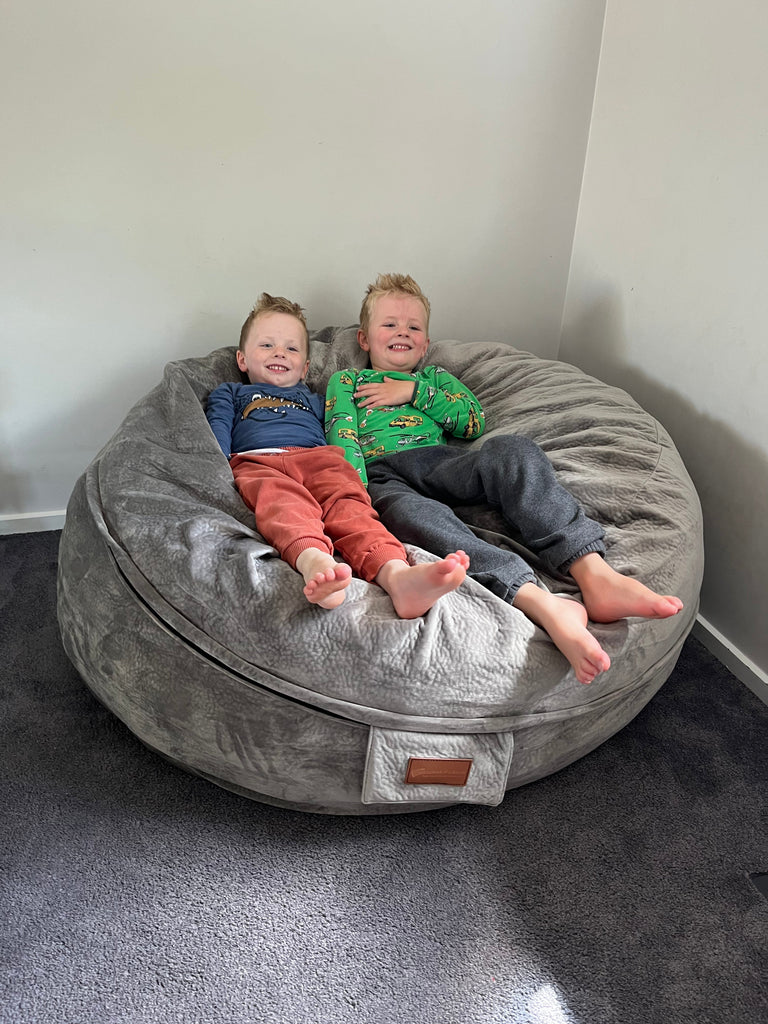
- Soft seating
Movement tools
- Wobble stools
- Rockers
- Trampettes
- Balance boards
Tactile input
- Textures
- Fidgets
- Sensory mats
Proprioceptive / Deep pressure
- Weighted blankets
- Body socks
- Compression tools
Remember: More equipment isn’t better. It’s about choosing the right pieces for your space and purpose.
Keep the Environment Calm
A sensory room should never feel chaotic.
Tips:
- Avoid turning on all equipment at once-this can overstimulate.
- Choose plain flooring (not patterns).
- Avoid too many bright colours.
- Ensure the room isn’t cluttered.
- Keep lighting soft and predictable.
Calm and predictable helps students regulate more effectively.
Consider Zones Within the Room
Creating mini-areas can support different needs:
- Calming corner: soft seating, low lighting
- Movement zone: balance boards, rockers, crash mats
- Tactile exploration area: textures, fidgets, wall tiles
- Low-stim retreat: minimal visual input, neutral colours
Even a small room can be divided gently using curtains, soft partitions, or shelves.
Train Staff on How to Use the Room
The room is only as effective as the guidance around it.
Staff should know:
- Which tools help which sensory needs
- When to offer access
- How to avoid overstimulating the space
- How to maintain safety
- How to support students during regulation
The training piece is what turns a pretty room into a meaningful intervention.
Need help planning your sensory space?
Every school, therapy practice, and community environment is different. If you’d like support choosing the right tools, planning your setup, or creating a customised sensory space, I’m here to help.